
Every July, Winnipeg’s historic Exchange District transforms into one of the largest independent theatre celebrations on the continent. The Winnipeg Fringe Theatre Festival – North America’s second-largest Fringe, behind only the Edmonton Fringe – brings together more than 170 local, national, and international theatre companies for 12 days of comedy, drama, dance, musicals, improve, and everything in between.
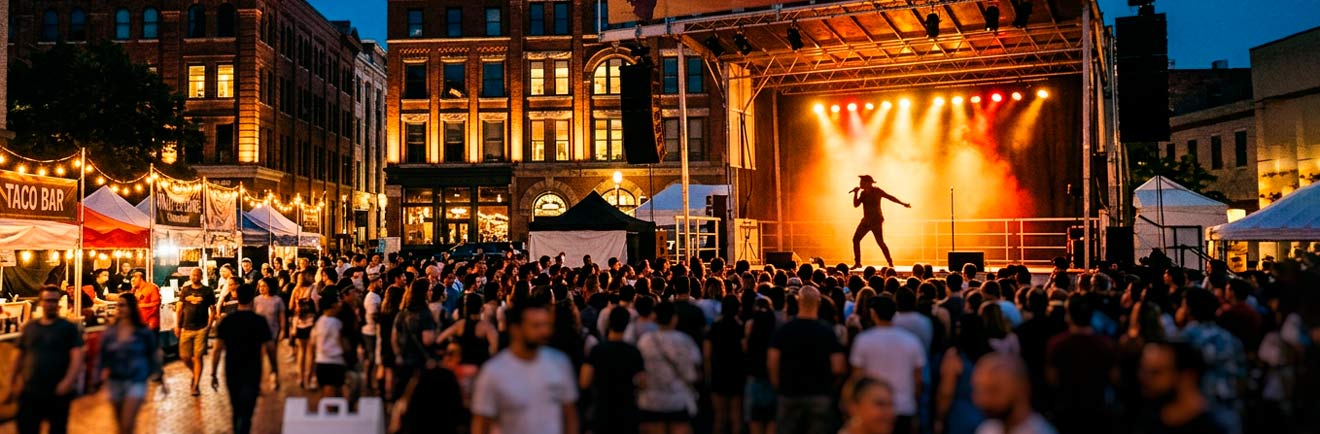
The 2026 Winnipeg Fringe Festival runs from July 15 to July 26, with performances taking place in venues scattered throughout the Exchange District and at The Cube. The free Outdoor Stage at Old Market Square hosts live entertainment from noon to midnight daily, making it a destination even for those who never buy a ticket to an indoor show.
Fun Fact: The Winnipeg Fringe was established in 1988 by the Manitoba Theatre Centre (now RMTC), making it one of the oldest Fringe festivals in North America. It has run every year since, with only a brief pandemic interruption.
What Is a Fringe Festival?
A Fringe festival is an open-access, non-juried arts event – meaning that any performer or company can apply, and selection is done by lottery rather than by a panel of judges. This democratic model was pioneered at the Edinburgh Festival Fringe in 1947 and has since been adopted by cities worldwide.
Three Core Principles
| Principle | What It Means | Why It Matters |
|---|---|---|
| Non-juried entry | Artists are selected by lottery, not by artistic committee | Removes gatekeeping – anyone from first-timers to seasoned pros can participate |
| Artistic freedom | Performers have complete control over their work | No censorship, no interference – the audience is the only judge |
| 100% box office to artists | Artists pay a flat registration fee but keep all ticket revenue | Fair model that rewards shows audiences want to see |
“The Fringe is the most democratic form of theatre there is. No jury decides what gets in – the audience decides what succeeds.”
– Fringe festival philosophy, widely attributed to the Edinburgh Fringe tradition
Winnipeg Fringe at a Glance (2026)
| Detail | Information |
|---|---|
| Dates | July 15-26, 2026 (12 days) |
| Location | Exchange District and The Cube, Winnipeg, Manitoba |
| Number of companies | 170+ local, national, and international |
| Genres | Comedy, drama, improv, dance, musicals, puppetry, spoken word, and more |
| Indoor ticket prices | $12-$14 (regular adult); Kids 12 and under: $6 advance, PWYC at door |
| Outdoor stage | Free – live music and entertainment, noon to midnight daily |
| Passes available | Frequent Fringer punch-card passes for discounted multi-show attendance |
| Organizer | Operated by the Royal Manitoba Theatre Centre |
| Treaty acknowledgment | Located on Treaty 1 territory of the Anishinaabeg, Inninewak, Anishinewak, Dakota Oyate, Denesuline, and the Red River Métis homeland |
A Brief History of the Winnipeg Fringe
| Year | Milestone |
|---|---|
| 1947 | Edinburgh Festival Fringe is born – the model that inspires all Fringe festivals worldwide |
| 1982 | Edmonton Fringe launches – becomes North America’s first and largest Fringe festival |
| 1988 | Winnipeg Fringe Theatre Festival founded by the Manitoba Theatre Centre |
| 1990s-2000s | Festival grows steadily, becoming a major summer cultural event and economic driver for the Exchange District |
| 2020-2021 | Pandemic disruption – festival adapts with virtual and reduced-capacity programming |
| 2022-present | Full return to in-person programming; continued growth past 170+ companies annually |
| 2024 | Kinsey Donald wins the Harry S. Rintoul Award for best new Manitoban play with “A Taste of Blood in the Mouth” |
| 2026 | Festival runs July 15-26 with a full lineup of indoor and outdoor programming |
Fun Fact: The Harry S. Rintoul Award, given annually for the best new Manitoban play at the Fringe, was established by the Manitoba Association of Playwrights to honour playwright Harry Rintoul’s passion for new playwriting.
Venues and the Exchange District
The Winnipeg Fringe is concentrated in the city’s historic Exchange District – a National Historic Site known for its early-20th-century terra cotta and cut stone architecture, galleries, restaurants, and shops. During the festival, this neighbourhood becomes an open-air celebration, with audiences moving between indoor venues and the free Outdoor Stage at Old Market Square.
Types of Venues
- Regular indoor venues – theatres and performance spaces assigned by lottery
- Kids’ venues – dedicated spaces for family-friendly and children’s programming
- Bring Your Own Venue (BYOV) – companies that secure their own performance spaces
- Old Market Square – the outdoor hub with a free stage, food vendors, and buskers
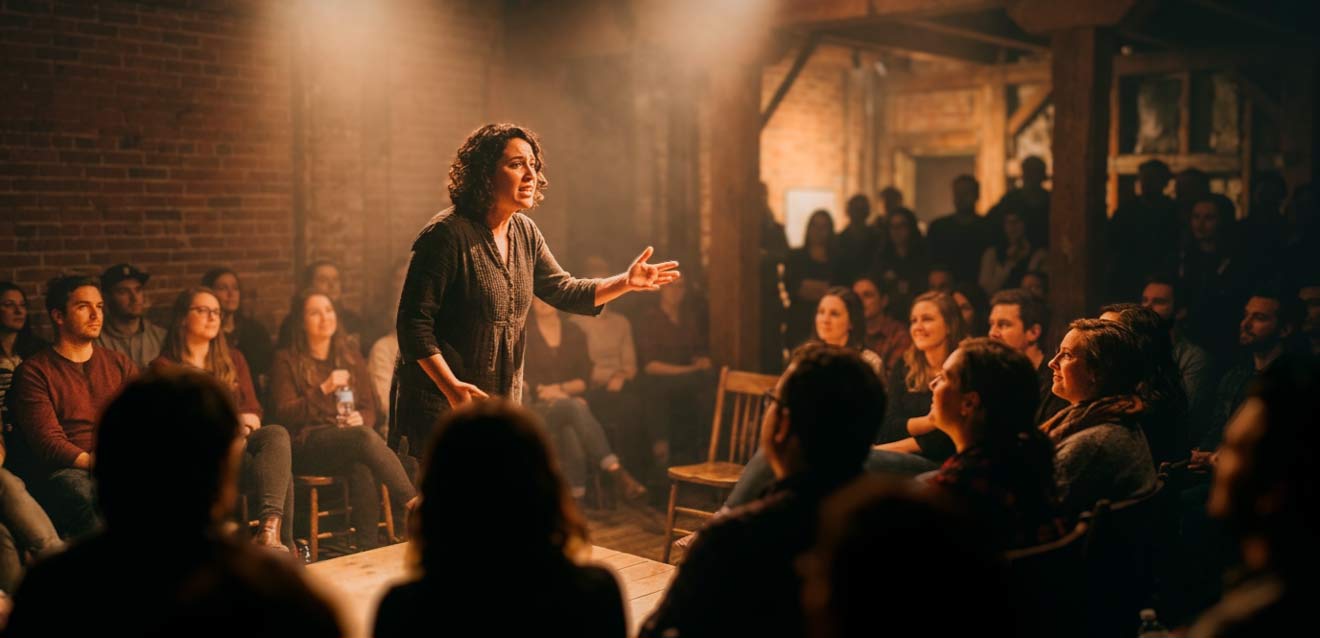
The intimate scale of most Fringe venues – often seating fewer than 100 people – creates a uniquely close connection between performers and audiences. This intimacy is one of the Fringe experience’s most distinctive qualities, and it stands in sharp contrast to the large-venue concert and theatre experiences available elsewhere in Winnipeg.
Fun Fact: The Exchange District is home to the highest concentration of heritage buildings in any single neighbourhood in western Canada. Walking between Fringe venues doubles as an architectural tour.
How to Get the Most Out of the Fringe
With more than 170 shows, 12 days, and a dozen venues spread across the Exchange District, a little planning goes a long way. Whether you’re a first-time visitor or a seasoned Fringer, these tips will help you catch great performances, avoid rookie mistakes, and make the most of every moment.
Before You Go
- Browse the festival program online – shows are listed with descriptions, genres, and showtimes
- Consider a Frequent Fringer punch-card pass for discounted tickets if you plan to see multiple shows
- Follow the festival on social media for real-time updates on sold-out shows and surprise additions
- Wear comfortable shoes – you’ll be walking between venues throughout the Exchange District
Choosing Shows
With 170+ companies performing, choosing what to see can feel overwhelming. Experienced Fringe-goers recommend several strategies:
| Strategy | How It Works | Best For |
|---|---|---|
| Word of mouth | Ask other audiences after their show – reactions are immediate and honest | Finding hidden gems |
| Genre filter | Decide what you’re in the mood for – comedy, drama, music – and focus there | Targeted experience |
| Wildcard approach | Pick a random show you know nothing about | Adventurous audiences |
| Star ratings / reviews | Check festival reviews posted daily during the run | Risk-averse audiences |
| Local favourites | Prioritize Manitoba-based companies – especially Rintoul Award contenders | Supporting local artists |
| Free outdoor stage | Start at Old Market Square – free entertainment helps calibrate your mood | First-time Fringe-goers |
“The best Fringe show I ever saw was one I knew absolutely nothing about walking in. That’s the magic – the willingness to take a chance.”
– Common sentiment among Winnipeg Fringe regulars
During the Festival
- Arrive early for popular shows – seating is general admission and fills quickly
- Build in time between shows – venues may be a 5-10 minute walk apart
- Eat in the Exchange District – the neighbourhood’s restaurants and food vendors are part of the festival atmosphere
- Bring cash for street performers, merchandise, and food vendors who may not accept cards
- Stay for the outdoor stage in the evening – the atmosphere at Old Market Square after dark is the Fringe at its most electric
The Fringe and Winnipeg’s Theatre Ecosystem
The Winnipeg Fringe doesn’t exist in isolation – it’s the annual peak of a year-round theatre culture that is one of Canada’s most active. The festival is operated by the Royal Manitoba Theatre Centre (founded 1958, Canada’s oldest English-language regional theatre), and it draws performers from the same community of artists that supports companies like Prairie Theatre Exchange, Theatre Projects Manitoba, MTYP, and the city’s many community theatre groups.
For community theatre performers, the Fringe provides an annual opportunity to develop and showcase new work in a professional festival setting. Many shows that premiere at the Fringe go on to further development, national tours, or publication. The festival also serves as a training ground for emerging producers, directors, and technicians who go on to work in Winnipeg’s professional theatre community.
The Mennonite community’s long tradition of volunteer-driven theatrical performance in Winnipeg – dating back to the Jugendverein church youth groups of the 1930s – helped create the audience base and community infrastructure that supports events like the Fringe. Organizations like the Winnipeg Mennonite Theatre, which operated for over 50 years before concluding its activities in 2023, demonstrated that audiences in this city have a deep appetite for live performance in all its forms.
Winnipeg’s Annual Festival Calendar
The Fringe is the centrepiece of Winnipeg’s summer entertainment season, but it’s part of a broader festival calendar that makes the city one of Canada’s most eventful:
| Festival | When | What |
|---|---|---|
| Festival du Voyageur | February (10 days) | Western Canada’s largest winter festival – snow sculptures, jigging, French-Canadian heritage |
| Freeze Frame Film Festival | March | International and Canadian films for young audiences |
| Doors Open Winnipeg | May 30-31, 2026 | Free access to heritage buildings – 23rd annual event |
| Pride Winnipeg | May 26 – June 7, 2026 | 2SLGBTQIA+ celebrations, flag-raising at City Hall |
| Jazz Winnipeg Festival | June 16-21, 2026 | 30,000+ fans, local and international artists, historic Exchange District |
| Red River Exhibition | June 12-21, 2026 | Summer fair with the world’s largest travelling midway |
| Winnipeg Fringe Theatre Festival | July 15-26, 2026 | 170+ theatre companies, 12 days, Exchange District |
| Winnipeg Folk Festival | July 9-12, 2026 | Internationally acclaimed folk music from around the world |
| Folklorama | August 2-15, 2026 | The world’s largest multicultural festival – cuisine, dance, music from 40+ cultures |
| Manito Ahbee Festival | October 30 – November 1, 2026 | Indigenous music, art, and cultural celebration at Canada Life Centre |
| Manitoba Hydro Santa Parade | November 14, 2026 | Century-old tradition, downtown Winnipeg holiday launch |
Fun Fact: Folklorama, held every August in Winnipeg, is the world’s largest and longest-running multicultural festival. Over its two-week run, visitors can “travel around the world while staying in one city” – sampling food, music, and dance from more than 40 cultures.
Practical Information
Before you head out to the Exchange District, here’s what you need to know about getting around, accessibility, tickets, and more.
Getting There
The Exchange District is located in downtown Winnipeg, easily accessible by car, bus, or on foot from most central hotels. Festival venues are concentrated in a walkable area roughly bounded by Main Street, Princess Street, Bannatyne Avenue, and McDermot Avenue. Parking is available in surface lots and parkades throughout downtown, but walking or transit is recommended during the festival due to road closures and heavy pedestrian traffic.
Accessibility
The Winnipeg Fringe is committed to accessibility. Specific accessibility information for each venue is published in the festival program. The festival’s Safer Spaces policy ensures that all participants – performers, audiences, volunteers, and staff – can enjoy the event in a respectful and inclusive environment.
Tickets and Passes
| Ticket Type | Price (2026) | Notes |
|---|---|---|
| Regular adult (advance/door) | $12-$14 | Per show, general admission |
| Kids 12 and under (advance) | $6 | Kids’ venue shows |
| Kids 12 and under (at door) | Pay What You Can | Kids’ venue shows |
| Frequent Fringer pass | Discounted multi-show | Physical punch card – treat like cash, not replaceable if lost |
| Outdoor Stage | Free | Live entertainment noon-midnight at Old Market Square |
And once you’ve placed your bets on which Fringe show will surprise you most, you might find the same spirit of risk and reward in online gambling.
Online Gambling: Taking a Different Kind of Fringe Bet
If you enjoy the thrill of the unknown – picking a show with no reviews, watching a wildcard performance, or simply loving when chance and skill collide – online gambling offers a similar rush from your screen. Many Canadians, including Winnipeg Fringe regulars, appreciate the convenience of licensed platforms like Manitoba’s own legal option for a quick hand of poker, a sports wager, or a spin on the slots. The key difference? No standing ovation at the end – but the same heart-pounding moment when the outcome lands. As with choosing a mystery Fringe show, the golden rule applies: know your limits, play responsibly, and never bet more than you’re willing to lose.
Why the Fringe Matters
The Winnipeg Fringe Theatre Festival is more than entertainment – it’s an economic engine for the Exchange District, a launching pad for emerging artists, a community gathering space, and a celebration of the democratic ideal that art should be accessible to everyone. At $12-$14 per show, it remains one of the most affordable live entertainment options in the city, and the free outdoor programming ensures that cost is never a barrier to participation.
For a city with Winnipeg’s deep roots in community theatre – from Mennonite church plays in the 1930s to the dozens of amateur and professional companies active today – the Fringe represents both a continuation and a celebration of that tradition. It’s where new voices find their audience, where established artists take creative risks, and where the boundaries of what theatre can be are tested every single July.
“Fringe festivals are the most democratic form of theatre in the world – no jury, no censorship, and the audience decides.”
– Widely held principle of the international Fringe movement